
Time, Place And Data: The Conditions That Are Shaping The Next Generation Of Technology Companies
22 May 2026
Dreame Technology’s rapid growth reflects a broader shift taking place across China’s industrial ecosystem. Decades of manufacturing scale, engineering capability and supply chain connectivity are converging advances in AI and robotics. The result is a generation of companies who are able to reuse core technologies across multiple sectors, and rapidly innovate beyond traditional consumer hardware.
STANDING ON THE SHOULDERS OF FACTORY GIANTS
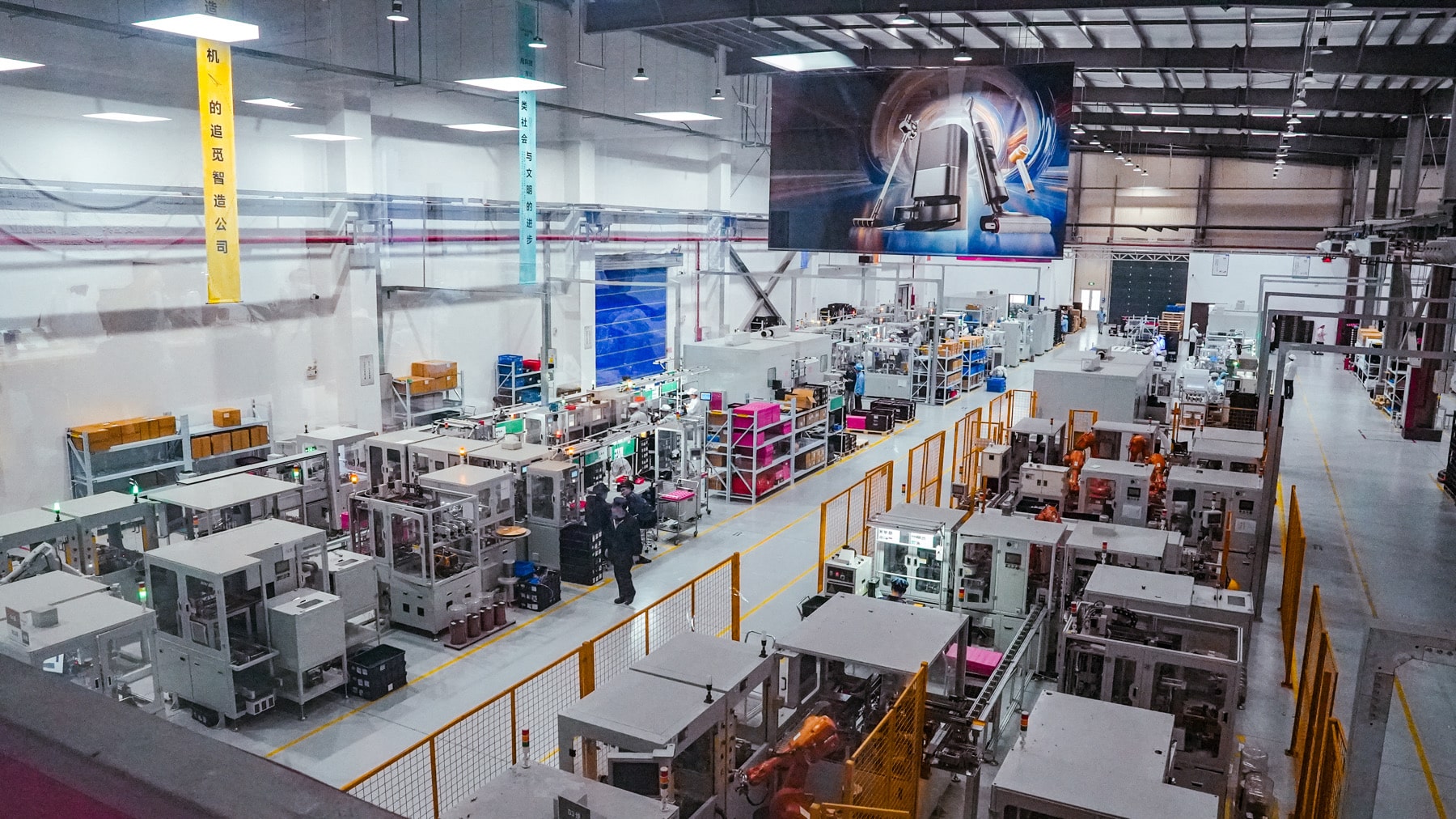
China first built its industrial reputation as the world’s contract manufacturer. In this OEM era, successful businesses grew by producing and shipping products on behalf of international brands. This laid the foundation for China’s deeply connected industrial supply chains and a large pool of engineering talent.
By the mid-2010s, a new generation of entrepreneurs graduated into an ecosystem already shaped by years of advanced manufacturing capability and rapid product iteration. This is the environment in which Dreame was founded. Yu Hao, Dreame's founder and CEO has himself said in social media posts that Dreame is "standing on the shoulders of giants."
DREAME’S TECHNICAL FOUNDATION
Dreame started as a robotic vacuum cleaning company offering high-tech high speed digital motors that challenged Dyson's industry lead. Put simply, higher motor speeds mean more power with less noise, enabling stronger suction in vacuum cleaners, faster hair drying, and quieter air purification and climate control. These digital motors waste less energy through friction and can integrate intelligent features like adaptive force, speed control and vision systems.
A high speed motor can be reused across other products where engineering benefits like airflow and navigation energy efficiency apply. This has enabled Dreame's expansion into a smart home ecosystem as well as mobility, personal care and intelligent manufacturing.
Such powerful motors in small objects require precision engineering and tightly connected supply chains to be built at scale. Dreame’s rise as a consumer robotics company reflects what becomes possible when you combine engineering talent with manufacturing expertise, industrial connectivity, and global product ambition.
THE ADDITION OF AI
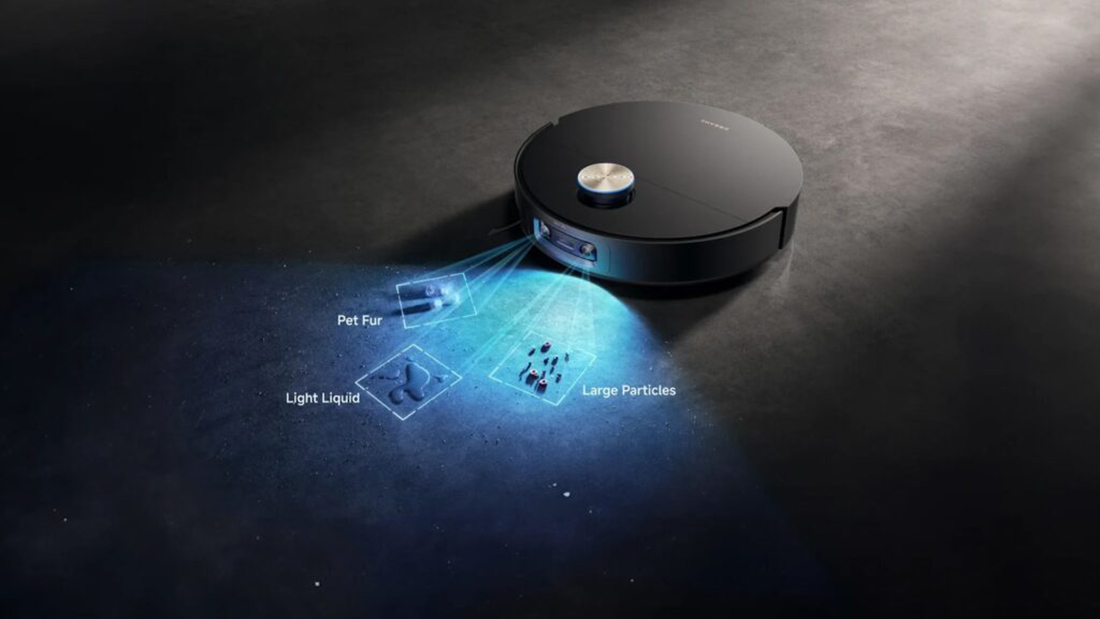
A high-speed digital motor can be controlled by an algorithm, and that’s where things start to become 'smart'. Heat in a hairdryer can adjust based on proximity to hair. Vacuum cleaners can map rooms and adjust suction based on the floor surface or material being cleaned. Lawn robots can detect and avoid obstacles in real time.
This is the shift from pre-programmed appliances to systems that actively respond to their environment.
Global conversation tends to focus on AI as software, or AI in humanoids. A lot of the real-world progress however is already happening in home appliances, where intelligence meets messy physical environments every day.
HOW THIS BUILDS AN ECOSYSTEM
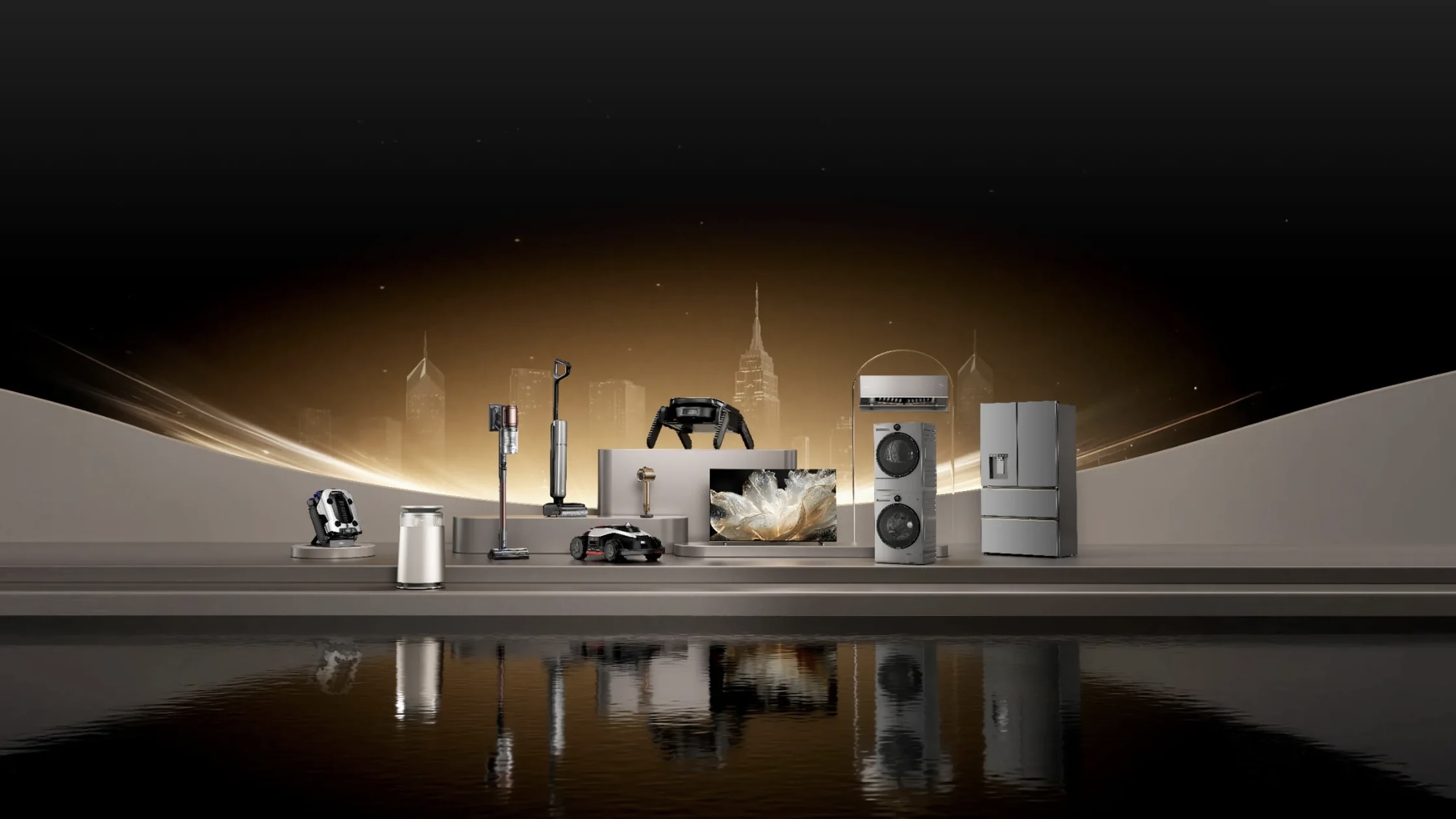
Using smart technology to free up people's time is the vision behind Dreame’s expansion from a smart home appliance company into something much broader; stretching into mobility, personal devices, manufacturing tools and eventually aerospace.
It is a model made possible by the density of China’s industrial ecosystem and engineering talent. The challenge for Dreame is that this same density creates intense competition, and a risk of fast commoditisation across supply chains.
COMPETITIVE ADVANTAGE REQUIRES MESSY DATA
For fast growing technology companies to really push beyond appliances, manufacturing scale alone isn't enough. The next phase of physical AI depends on constant exposure to messy, unpredictable real-world environments. Homes, gardens and factories are nothing like controlled lab settings.
Smart home appliances like robotic vacuum cleaners and lawn mowers sit right in the middle of this. They operate in real environments, deal with unpredictability, and constantly run into variation. That creates a continuous feedback loop for navigation, sensing and control systems.
This feedback loop is what turns hardware from a 'manufacturing' advantage to a training ground in the physical world. It is also the factor that compounds innovation and expansion across product categories; each new iteration strengthens the underlying technologies for the next. That is what makes companies like Dreame possible now: the convergence of manufacturing scale, engineering capability, AI, and continuous real-world deployment.